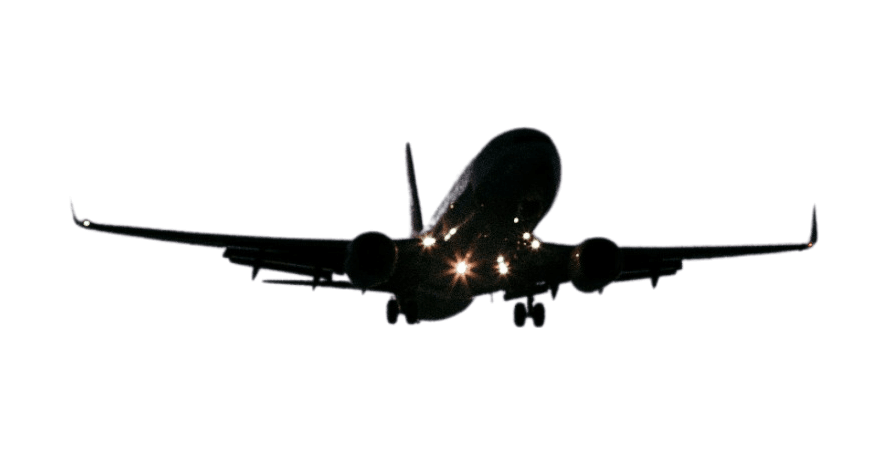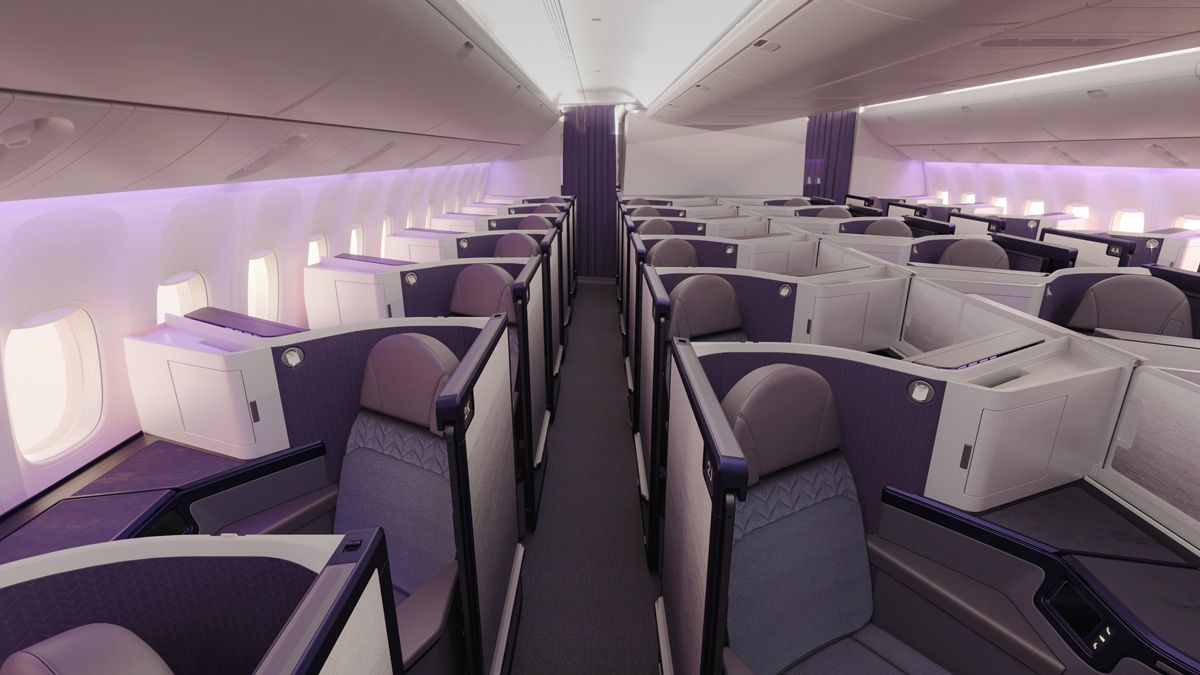
Collins Elevation suites with doors on all 44 seats arrive on Air New Zealand's 777-300ERs from 2027. It's a different seat to the 787's custom design, and the better one.
Air New Zealand will refit its seven Boeing 777-300ERs with new Business Premier and Economy cabins from March 2027. The business class seat is the Collins Elevation, the same platform British Airways uses for the Club Suite, also flying on Malaysia Airlines' A330neos and Philippine Airlines' A350-1000s.
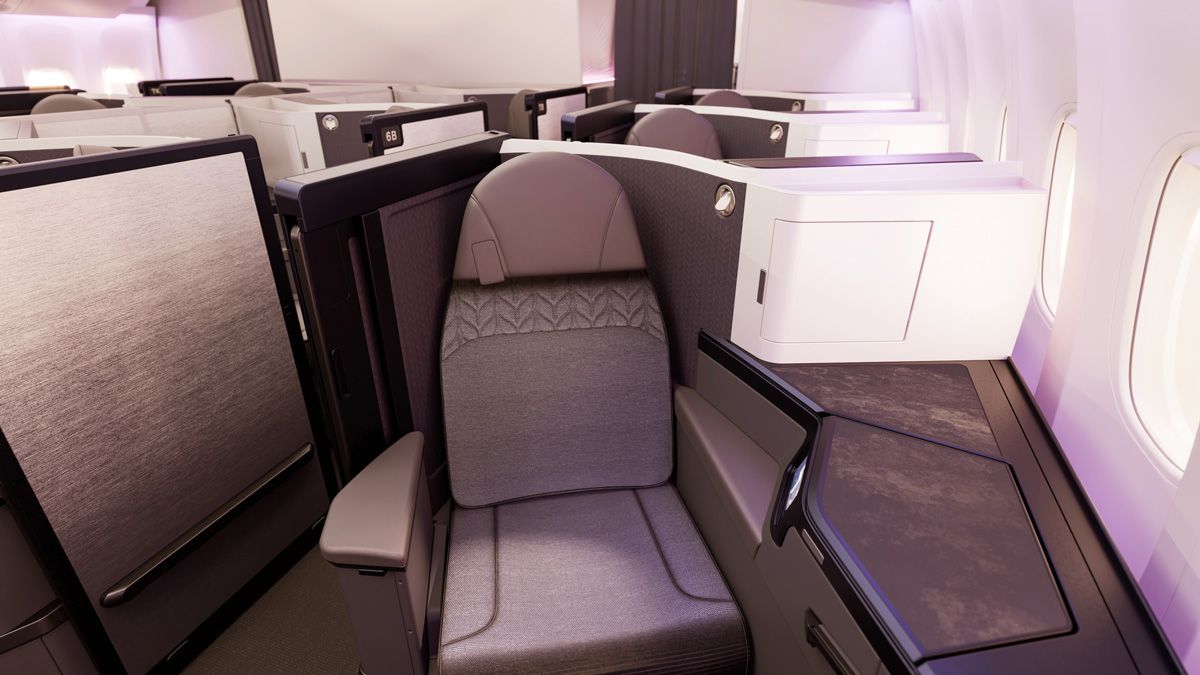
That's a different seat to the one Air New Zealand just spent years developing for its 787s. The Safran Visa, a custom inward-facing herringbone, is still being rolled out across the Dreamliner fleet. Nine of the 14 aircraft are flying with the new cabin, a tenth is in Singapore being fitted right now, and the rest are due by the end of 2026. So before the first programme has even wrapped up, the airline has committed to installing a different business class from a different manufacturer in a different layout.
I think they made the right decision. More on that below.
The New B777 Cabins
The first aircraft goes into the hangar in Singapore in March 2027, handled by the same teams doing the 787 work, and should fly by May 2027. Here's what we'll find onboard:
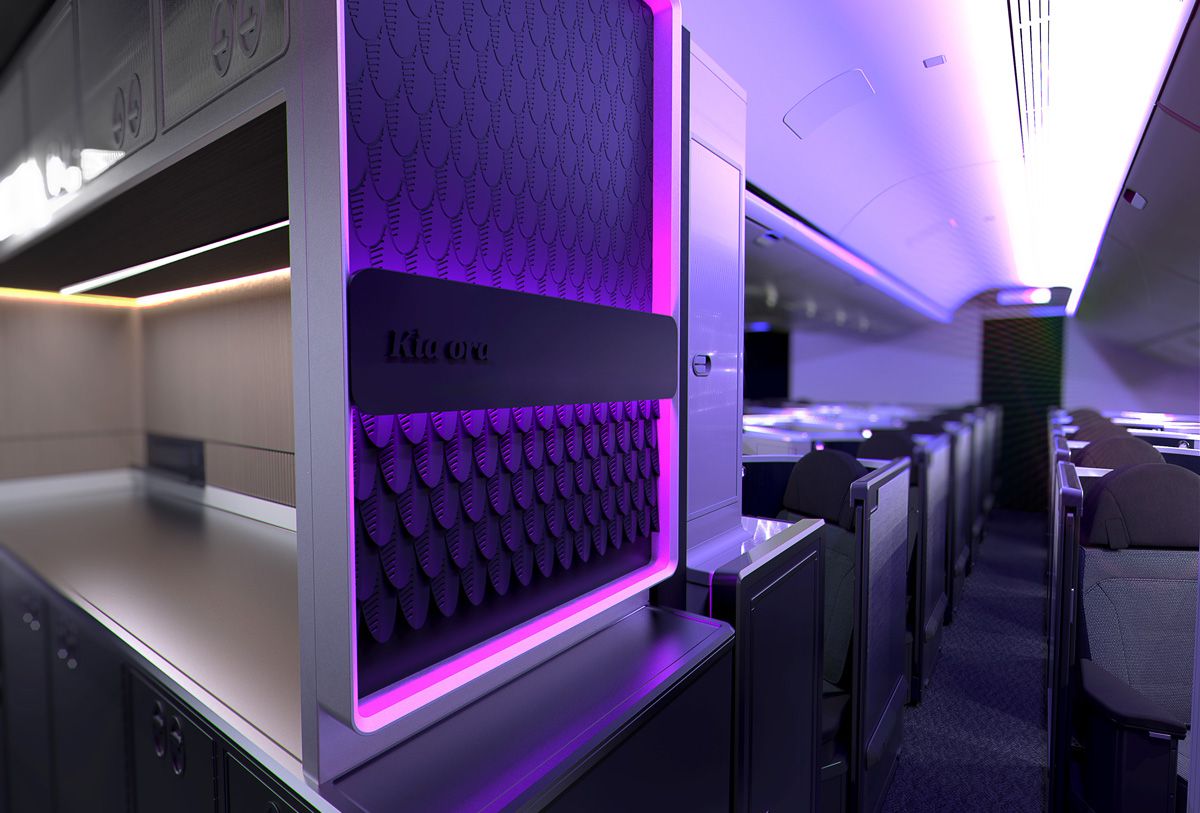
Business Premier:
- 44 seats, same count as today
- Reverse herringbone, every seat angled away from the aisle
- 43 inch pitch, fully flat bed
- A door on every seat, sliding privacy dividers between centre pairs
- 18 inch screens with Bluetooth audio
- USB-A and USB-C
Economy:
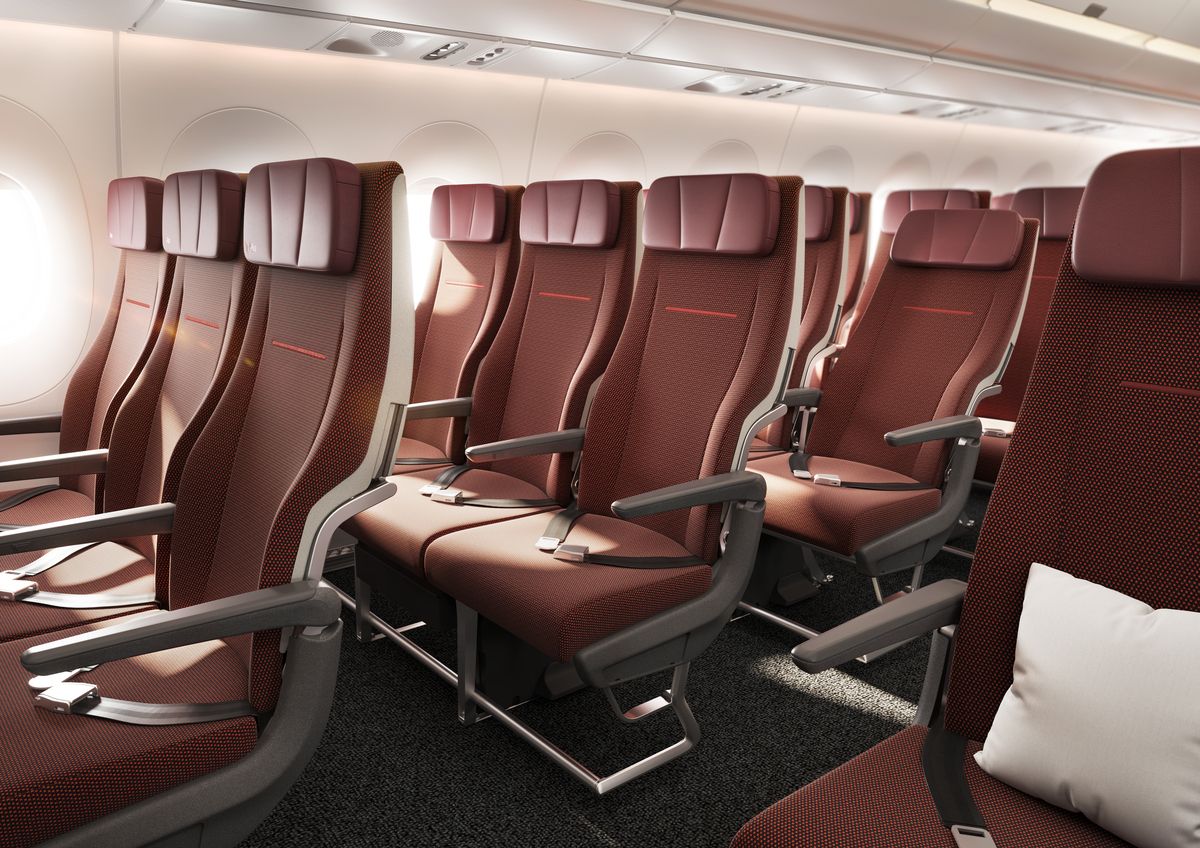
- 246 seats, two more than the current layout
- New ZIM seats, the same family as the retrofitted 787s
- Economy Stretch at 35 inch pitch, standard rows at 31 to 32 inches
- 13 inch screens with Bluetooth audio, USB-C
- All 16 Skycouch rows stay
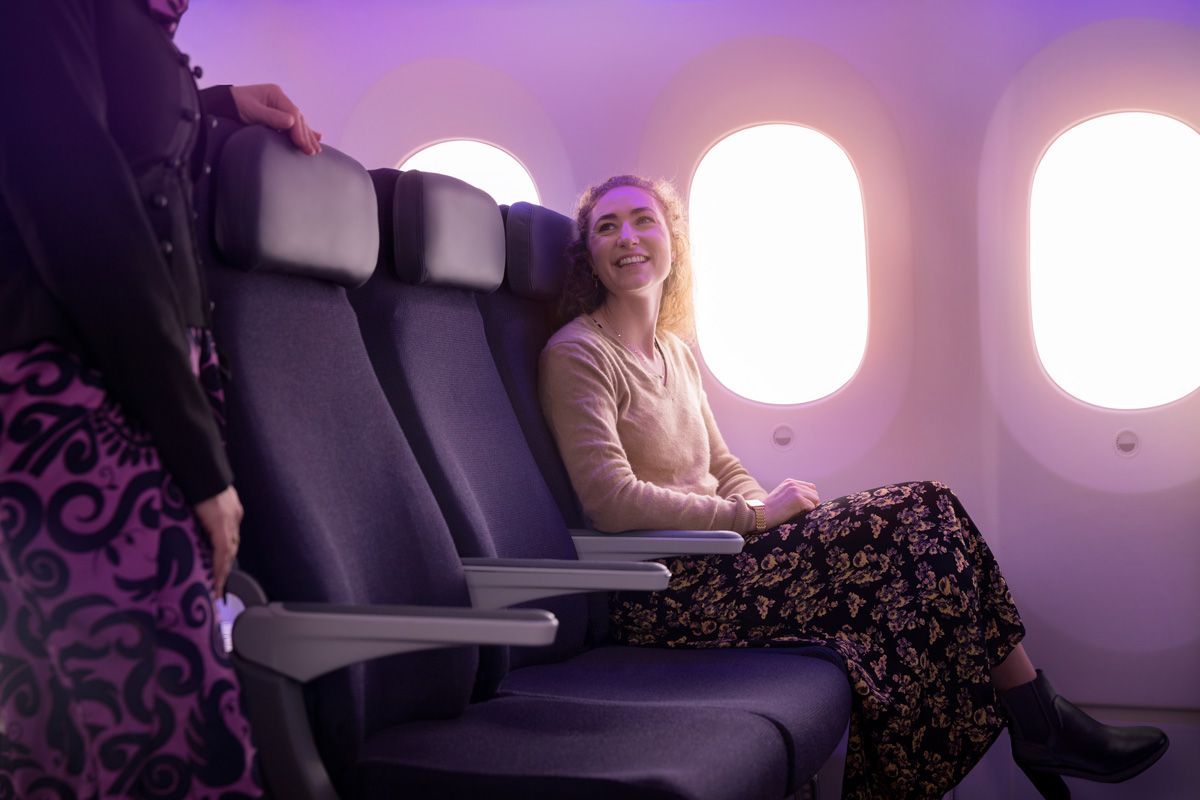
Premium Economy keeps its current recliners. Those cabins were refreshed over the past year and will lose two seats to fit the new Business Premier, taking the count to 52. Total capacity stays at 342.
Why The B787 Seat Didn't Carry Over
The Safran Visa was engineered around the 787 fuselage. The seat angle, the way each unit nests into its neighbours, the seat track positions and sidewall profiles all assume a Dreamliner cross-section. The 777 cabin is about 15 inches wider. Air New Zealand's fleet team looked at redesigning the Visa for the 777 and decided against it, saying a redesign would have meant starting the seat over, while the Collins Elevation gets them to market faster.
There's history behind that call. Air New Zealand's herringbone lineage goes back two decades, to the seat it developed alongside Virgin Atlantic in the mid 2000s, and when the airline went shopping for a replacement around 2019 it stayed with Safran, the manufacturer that ended up owning that original design through acquisitions. The Visa was Safran's offer at the time. Safran's Unity, the seat now winning orders from carriers like Riyadh Air, didn't exist until 2022. Air New Zealand committed to a 2019 design, then COVID, parts shortages and Boeing's production problems delayed everything, and the seat finally flew in 2025. Six years from selection to service is an eternity in this market. The Qatar Airways Qsuite reset expectations for the entire industry in less time than that.
Air New Zealand is also the launch customer and, so far, the only customer for the Visa, which means it absorbed every certification issue and design revision alone.
The Elevation has none of those problems. It's been in service since 2019, three other airlines already fly it. Air New Zealand has said as much itself, noting the hurdles have already been dealt with by the airlines that installed it first.
The 777 Seat Is Better Than The 787 Seat
Let's face it, the Visa is 20.5 inches wide, angles every passenger toward the aisle and the seats opposite, and only the four Business Premier Luxe seats in row one get a proper door (which do look like very nice seats to be fair!).
Standard seats make do with a small sliding screen on the side shelf. Inward-facing herringbones are close to extinct on new products. Virgin Atlantic and Air New Zealand are the only major carriers still committed to the format, and everyone else abandoned it more than a decade ago because passengers would rather face a window than a stranger.
The traditional defence of the herringbone is density. Angle everyone toward the aisle, save space, fit more seats. The Visa doesn't collect that payoff. The retrofitted cabin holds 26 seats, one fewer than the 27 in the old layout it replaced, and several door-equipped competitors fit comparable or higher counts into 787 cabins of similar size.
To be fair to the 787 product, the airline built the whole thing around sleep, and that focus is defensible for a carrier whose core missions run 12 to 17 hours from one of the most remote countries on earth. The bedding, turndown service and nighttime routine have drawn consistent praise from early reviews. The soft product carries a lot of the experience.
The seat itself had an obvious fix all along: turn it toward the window and the privacy problem disappears. That's exactly what the 777's reverse herringbone does, with a full door on all 44 seats on top. When the first refitted 777 enters service, the airline's oldest widebodies will offer more privacy than the flagship Dreamliner retrofit.
Air New Zealand says the two products offer similar functionality and a consistent experience across the fleet. Passengers who fly both will notice the difference.
The first retrofitted 777 goes into the hangar in March 2027 and is due back in service by May. Once the programme is done, Air New Zealand will have doors and direct aisle access across its entire long haul fleet, with the 777 carrying the more private of the two seats. After 15 years of the same cabin, we love to see it!


American Express Platinum Card
Offer ends 3 Nov 2026
Sign-up bonus Up to
300,000
bonus Membership Rewards points
- Earn rate Up to
- 2.25 pts / $1
- Our rating
American Express Platinum Card
Offer ends 3 Nov 2026
Sign-up bonus Up to
300,000
bonus Membership Rewards points
- Earn rate Up to
- 2.25 pts / $1
- Our rating