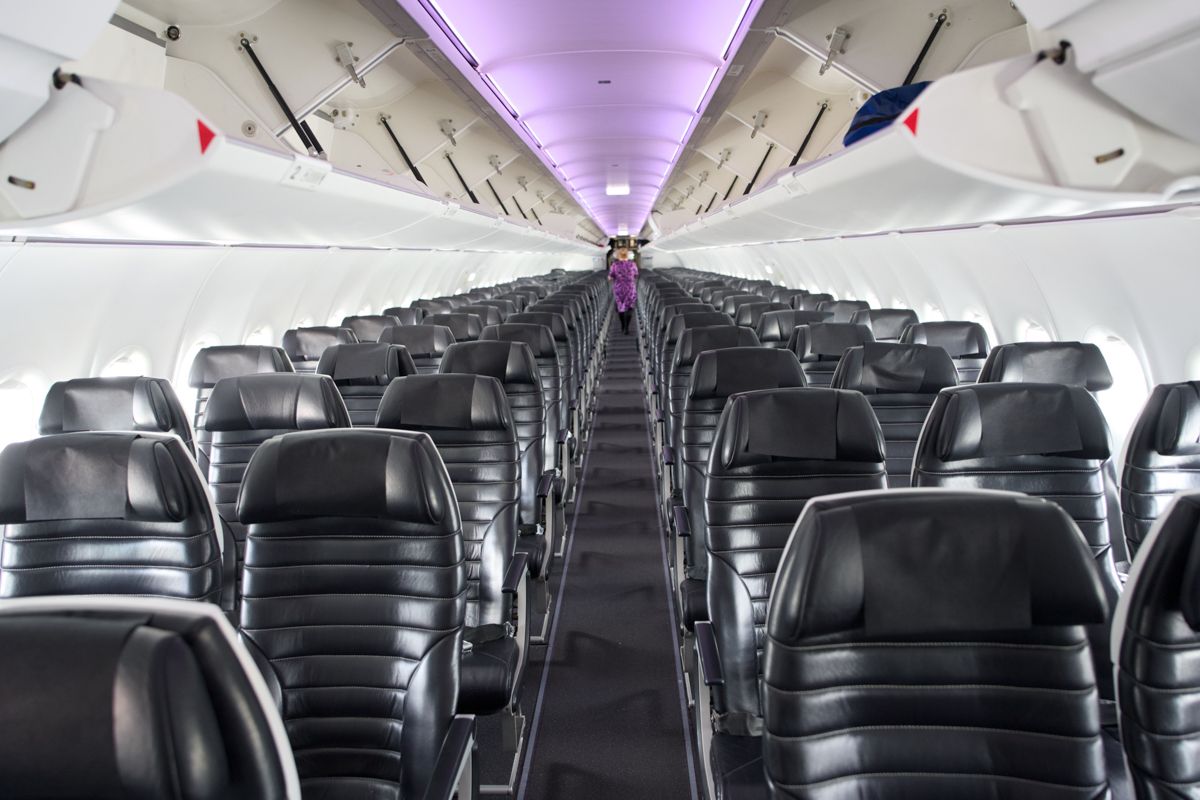
Air New Zealand’s Airbus A320neo economy class offering is quite solid for a quick trans-Tasman hop, with comfortable seating and a well-rounded set of inclusions that outperform most rival airlines. That doesn’t mean it's groundbreaking, but Air New Zealand leads with seatback screens, free WiFi, and included meals.
Air New Zealand also operates Tasmania’s only international route, with three weekly flights between Hobart and Auckland each Tuesday, Thursday and Sunday. The service runs seasonally from October to March and is reportedly in strong demand.
This was my second time flying the Hobart–Auckland route, and with Air New Zealand offering one of my favourite short-haul economy seats, I was moderately excited for the short hop to Auckland.
How I Booked This Flight
Air New Zealand's loyalty program Koru is one of my least favourite frequent flyer programs. That’s because Airpoints redemptions are tied directly to the cash fare for a specific flight. While this does make things extremely simple for the regular traveller, for most points nerds, it’s difficult to extract any real value from the Airpoints loyalty program.
I was originally travelling with Qantas to Auckland via Melbourne, but due to delays, Qantas moved me to the direct service with Air NZ. Although I’d get to New Zealand late, I was quite pleased to take the easy direct option.
Who Funded This Review?
The writer travelled as a guest of Qantas for a media event in Auckland. Air New Zealand had no involvement and did not preview this article.
Ground Experience In Hobart
Hobart’s international experience is still a bit of a quirky adventure. The biggest issue is that when an international flight arrives, the entire airport is forced into a temporary shutdown. Having spent plenty of time stuck onboard domestic flights waiting for this process to play out, it’s hard to see how this was ever considered a long-term solution.
As is common for smaller airports, Air NZ passengers first clear domestic security, then a further round of checks to access the international gate. The international security screening opens 90-minutes before departure, and remains open until the flight is boarded.
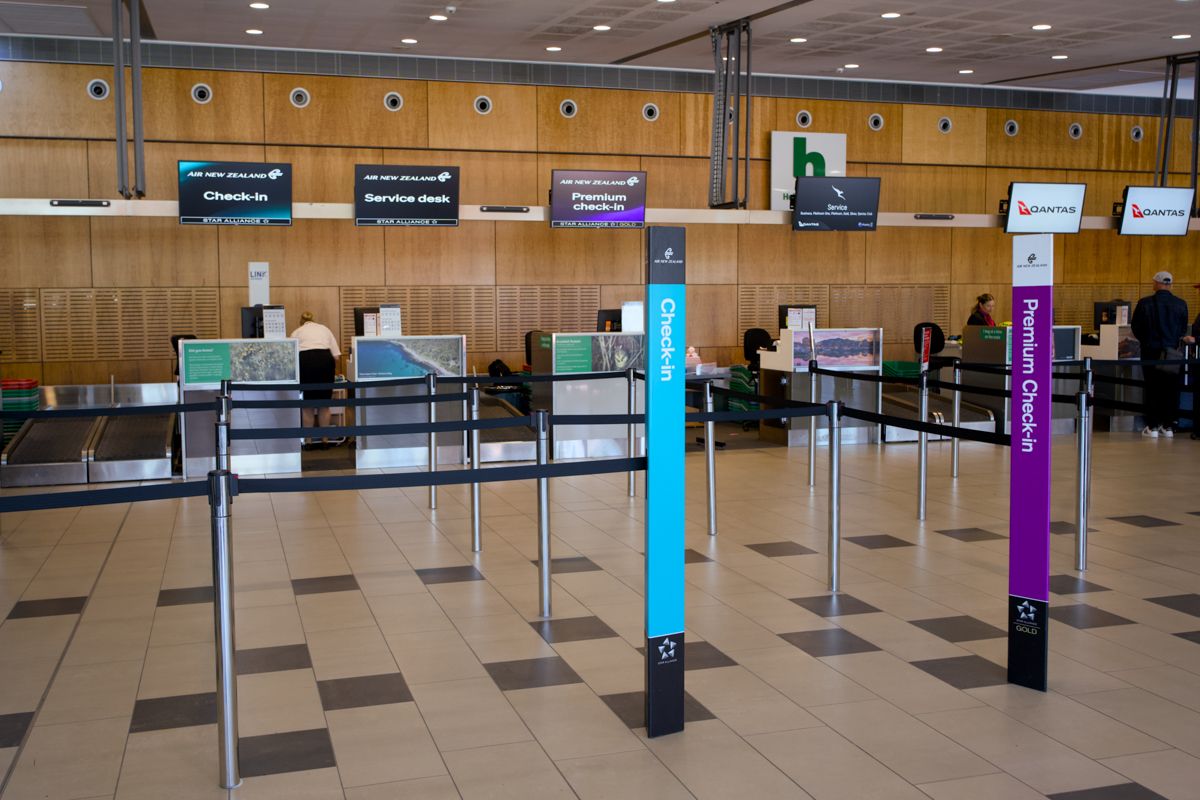
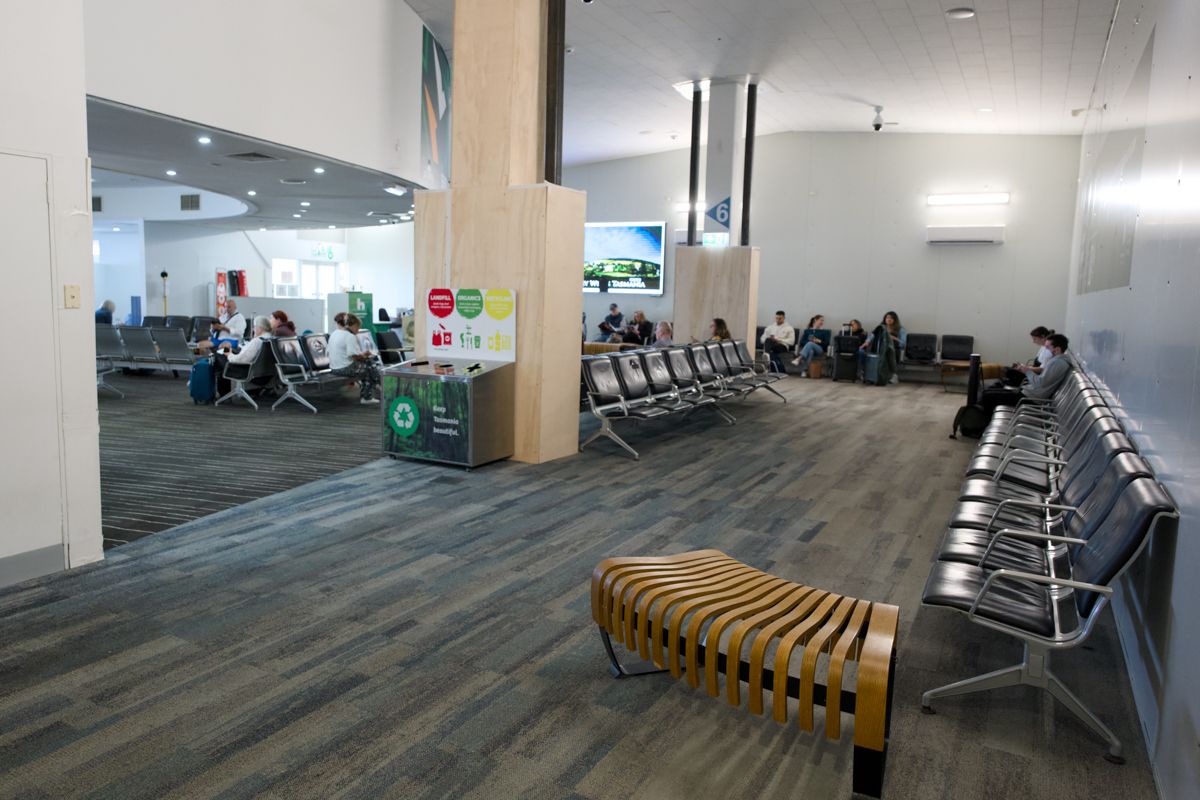
The international area has been shrunk, leaving boarded-up walls and a chaotic mismatch of seating and carpet. While there are more seats than on my last visit, which is fantastic, the signs nudging passengers to “eat, shop and relax” remain. Presumably, that’s all meant to happen at the vending machine or payphone, because that’s all that you will find in Hobart’s international shoebox.
To be fair, Hobart Airport only handles international departures three times per week for six months of the year. No one is expecting a sprawling terminal, but it would be nice if the international area felt a little more permanent, rather than something assembled the night before with leftover furniture.
Air New Zealand A320neo Cabin
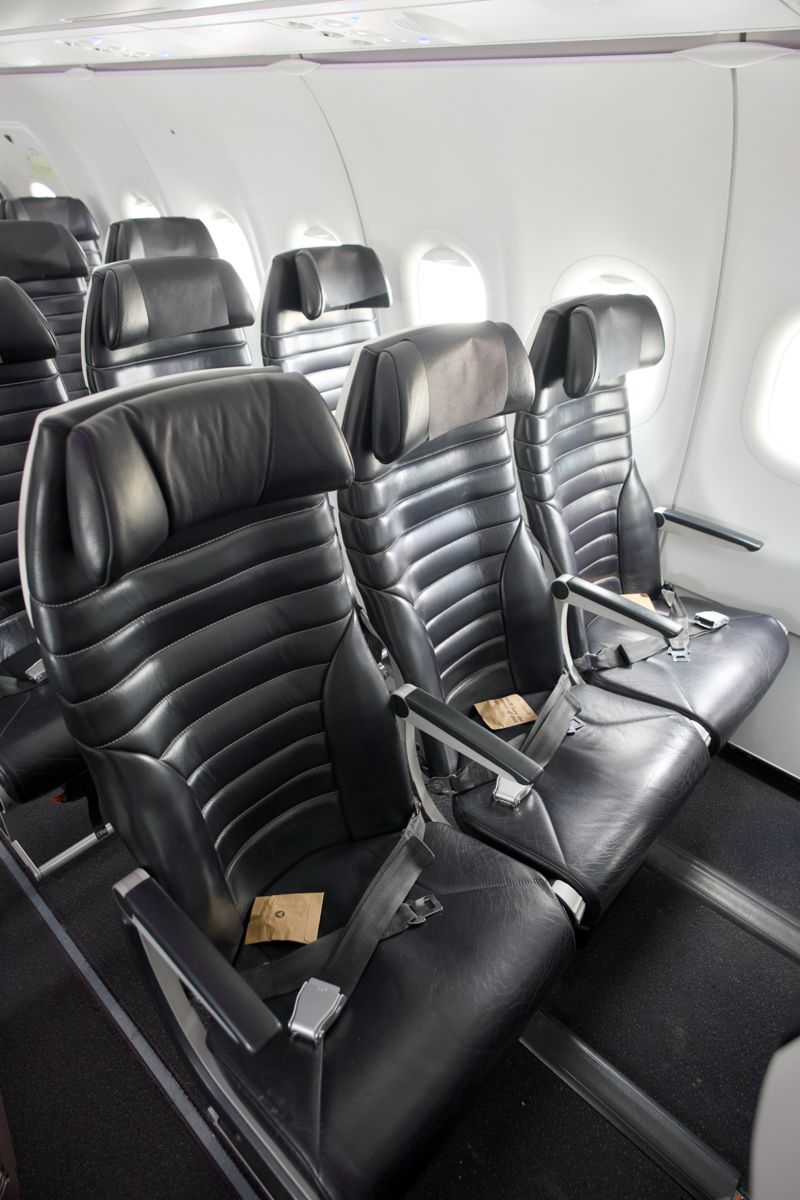
Air New Zealand has clearly gone the extra mile to make its A320neo a nice place to be. Black leather-upholstered seats and mood lighting give the cabin a modern, slightly upmarket feel.
Air New Zealand’s Airbus narrowbody jets feature an all-economy layout, with 165 seats on the A320neo. Air New Zealand uses the Acro Series 6 seat across its narrowbody fleet, including the A321neo, and it’s a product I rate highly for short flights.
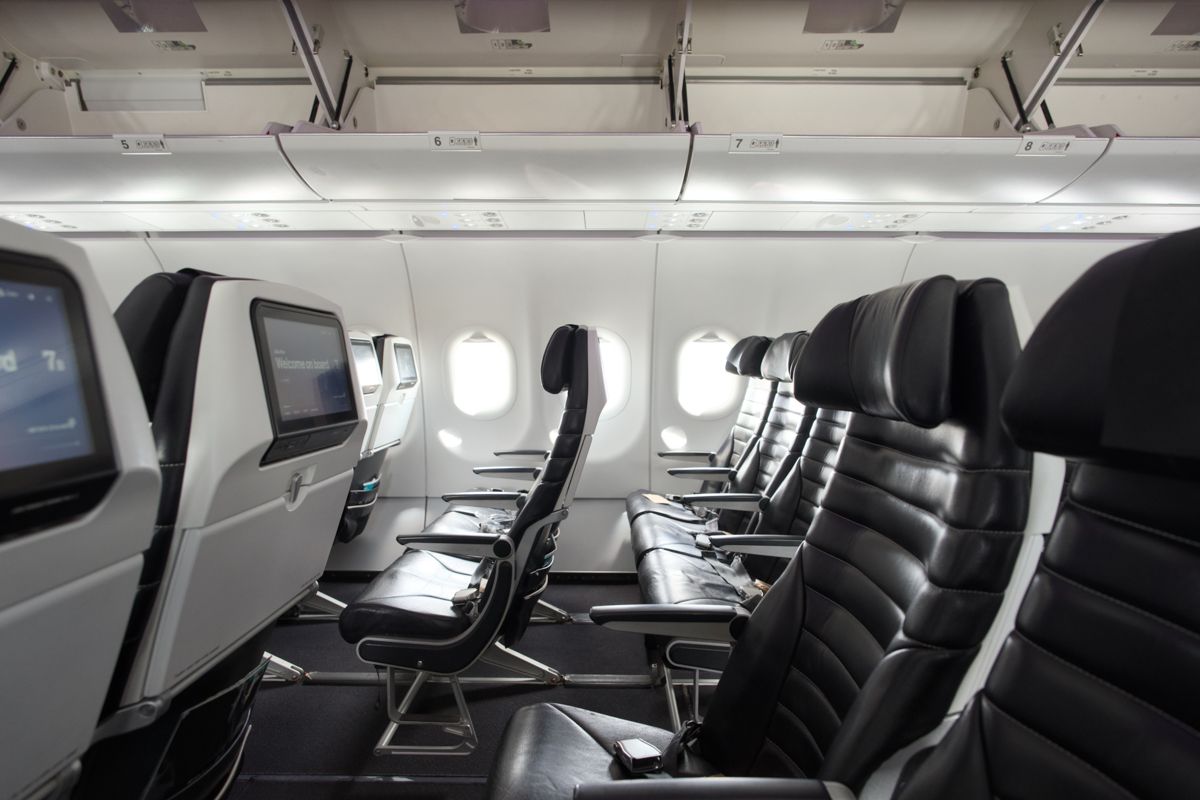
The slimline and curved design combination means you sink further into the seatback, creating up to 7% more usable space. This design makes for a comfortable ride as the seat will essentially hug you to avoid strain on your lower back.
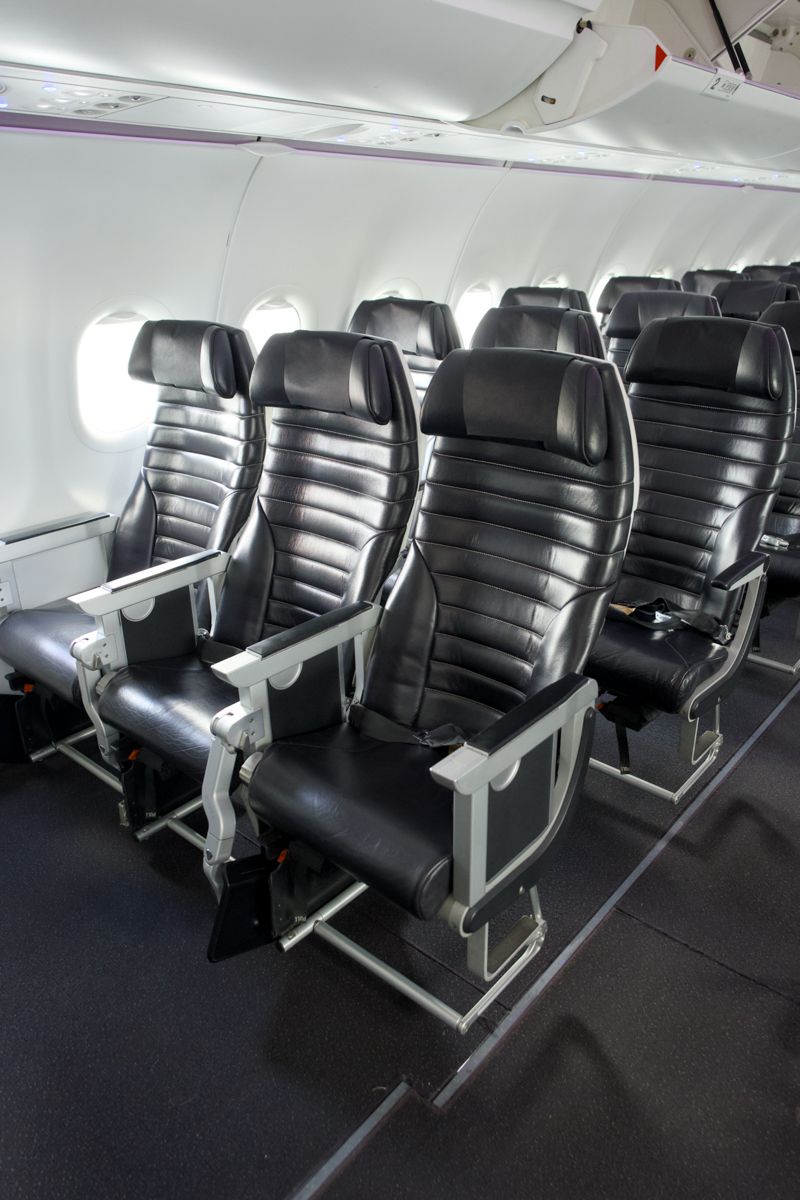
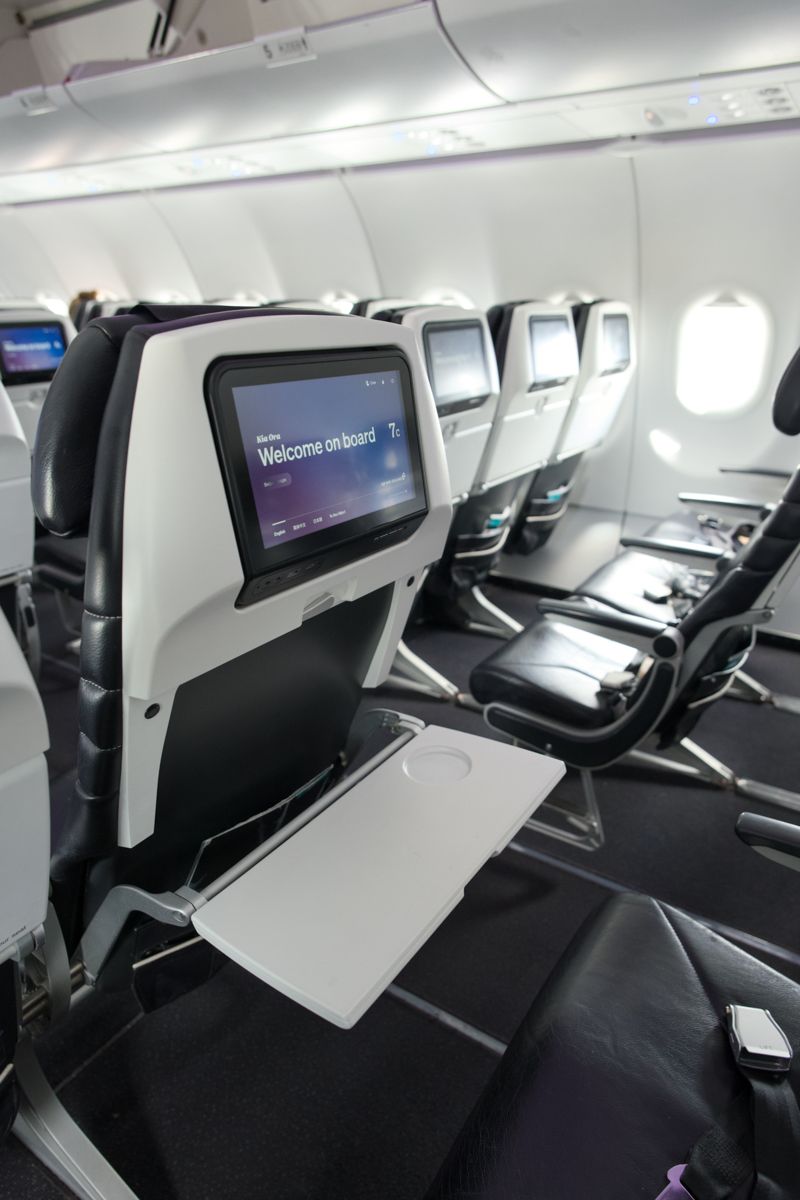
I only have two issues with this seat. The first is the feeble armrests, which are not nearly as wide or long as you’d want. Because of this, the recline function is quite different, with a silver circular lever at the base of the seat.
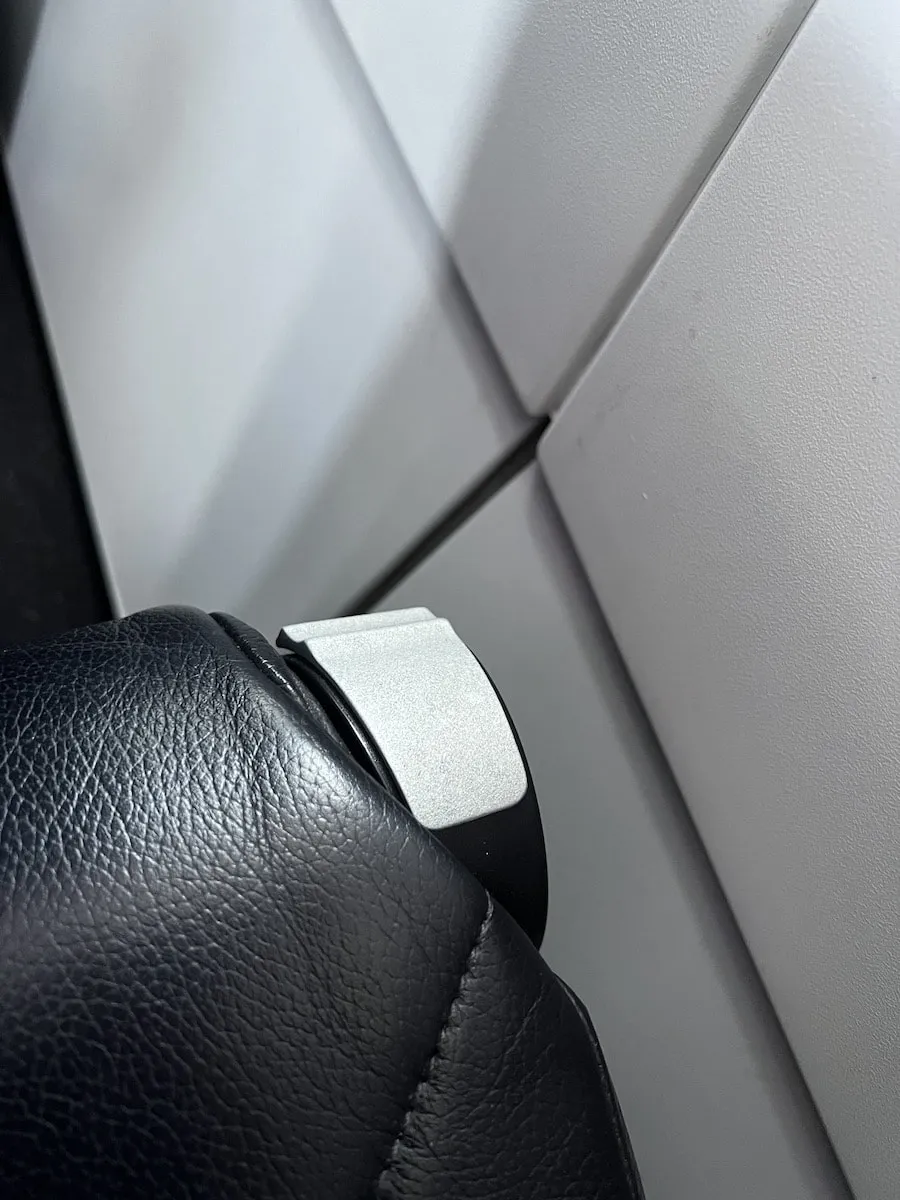
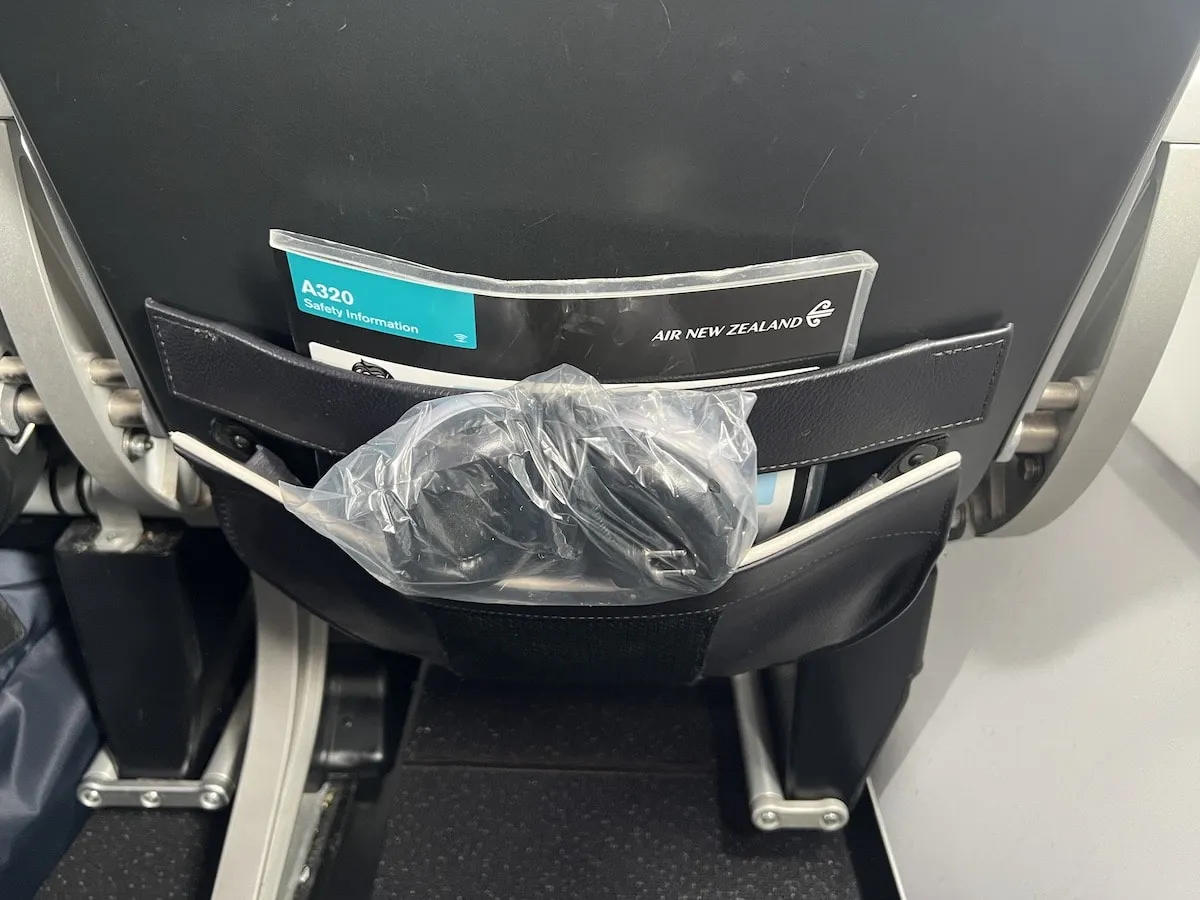
My second gripe is the ridiculously tight seat pocket, which barely fits the safety card, let alone anything larger you want to keep nearby.
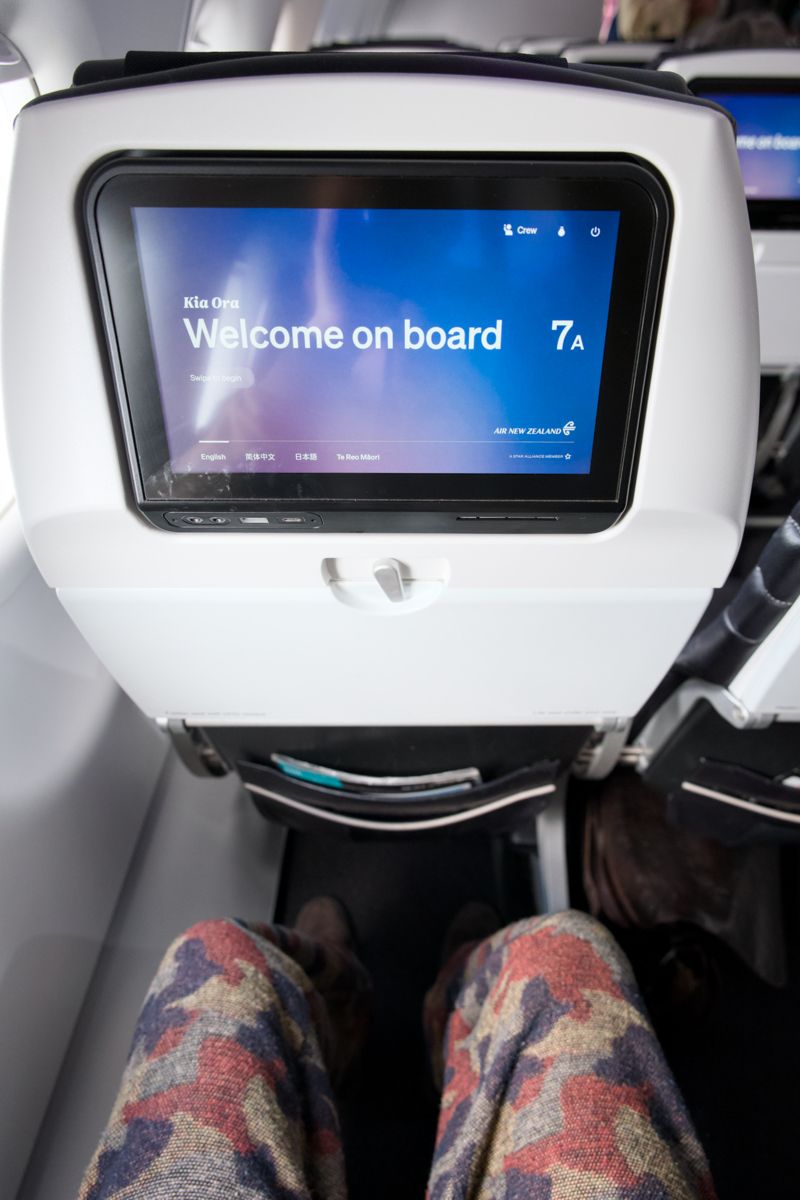
Each seat is fitted with a sharp IFE screen, and I like that Air New Zealand displays your name at boarding for Koru-linked bookings. That didn’t apply here, as my booking was linked to KrisFlyer.
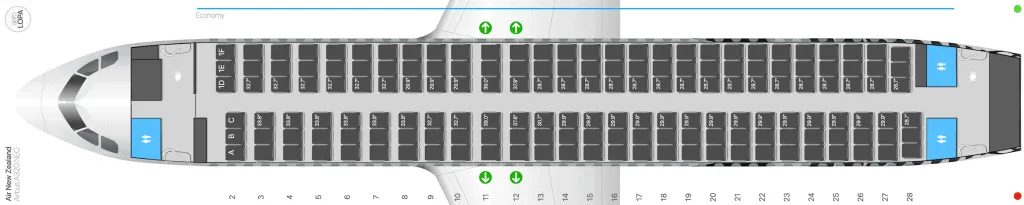
From row 7, legroom was very good, with a generous 33.8-inch seat pitch.
Best Seats On The Air New Zealand A320neo
Air New Zealand’s latest generation Airbus jets feature an interesting layout. As in AeroLopa’s seat map below, rows are staggered with legroom decreasing towards the rear of the aircraft.
It’s also worth noting that the middle seats on Air New Zealand NEO’s are 2cm wider than their window and aisle counterparts.
Air New Zealand Food & Beverage
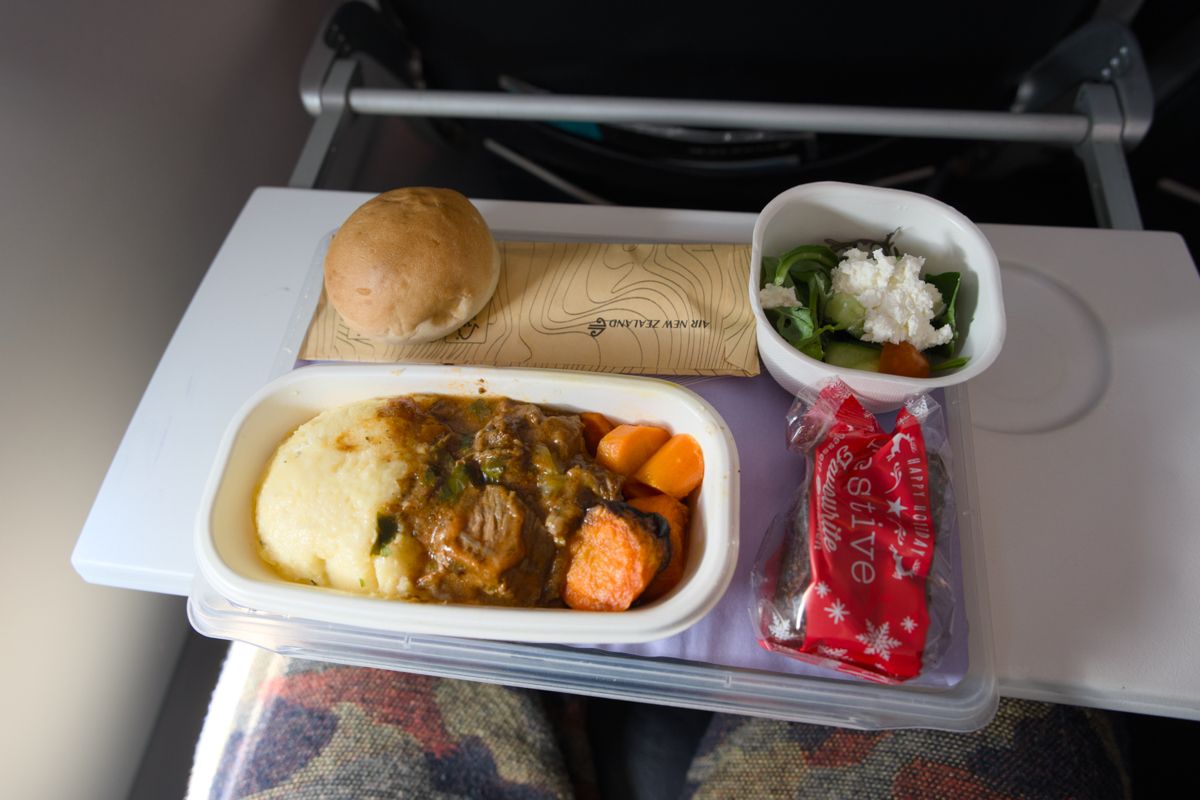
Three meal options were offered: braised beef, mac and cheese, or a Japanese chicken salad.
I selected the braised beef, which came served with carrots and mash, a garlic bread roll, a small Greek salad, plus a chocolate slice. I accompanied this with a New Zealand sparkling, although as the bottle was not on display, I can’t tell you more.
Meals are pre-packaged and served on a tray, with wooden cutlery and plastic cups. As I have found on my other Air NZ flights, the quality was fantastic, but the portions are tiny.
Air New Zealand Inflight Entertainment
The seatback screen is a welcome addition, especially as many airlines skip IFE on trans-Tasman routes. The selection of movies and TV shows is solid, as you’d expect.
There’s no AC power onboard, but each seat includes both USB-A and USB-C ports beneath the screen for charging.
Free Wi-Fi is offered, and speeds were good enough for social media, emails and even video streaming. To my surprise, the service worked for the entire flight without issue.
Summing Up: My Take
Air New Zealand delivers one of the best economy experiences across the ditch. Their Airbus A320neo seat gets the fundamentals right — a reasonably comfortable seat, seatback screens, free Wi-Fi and a tasty meal all add up to a genuinely enjoyable short-haul flight. Plus, they’re usually one of the more cost-effective options.
On the ground, Hobart Airport continues to lag well behind. I’ll admit I can be overly critical, but it comes from my Tasmanian pride and a simple desire for HBA to be at least average. For years, international arrivals have effectively shut down the entire airport, with departing passengers crammed into a small, makeshift holding area. It still beats connecting via Melbourne or Sydney, but it’s far from a great experience.

American Express Explorer
Offer ends 3 Nov 2026
Sign-up bonus
75,000
bonus Membership Rewards points
- Earn rate Up to
- 2 pts / $1
- Our rating
American Express Explorer
Offer ends 3 Nov 2026
Sign-up bonus
75,000
bonus Membership Rewards points
- Earn rate Up to
- 2 pts / $1
- Our rating